Professional Wellness

Structural Wellness Part 3: Control, Accountability, and the Emergence of Wellness

In clinical practice, responsibility is clear. Clinicians are accountable for outcomes. Less clear—and often unexamined—is the degree to which they control the inputs that shape those outcomes. This distinction may seem subtle. In practice, it is not. Control and Accountability In many healthcare environments, clinicians operate within systems where key elements are determined externally: At […]

Structural Wellness Part 3: Control, Accountability, and the Emergence of Wellness Read More »

AI, Throughput, and the Cognitive Bottleneck in Healthcare

The rapid adoption of AI-driven documentation tools is often framed as a solution to clinician burnout. On the surface, the logic is straightforward: Reduce documentation burden → free up clinician time → improve well-being However, this framing may overlook an important second-order effect. The Constraint Doesn’t Disappear—It Moves In most healthcare systems, efficiency gains are

AI, Throughput, and the Cognitive Bottleneck in Healthcare Read More »

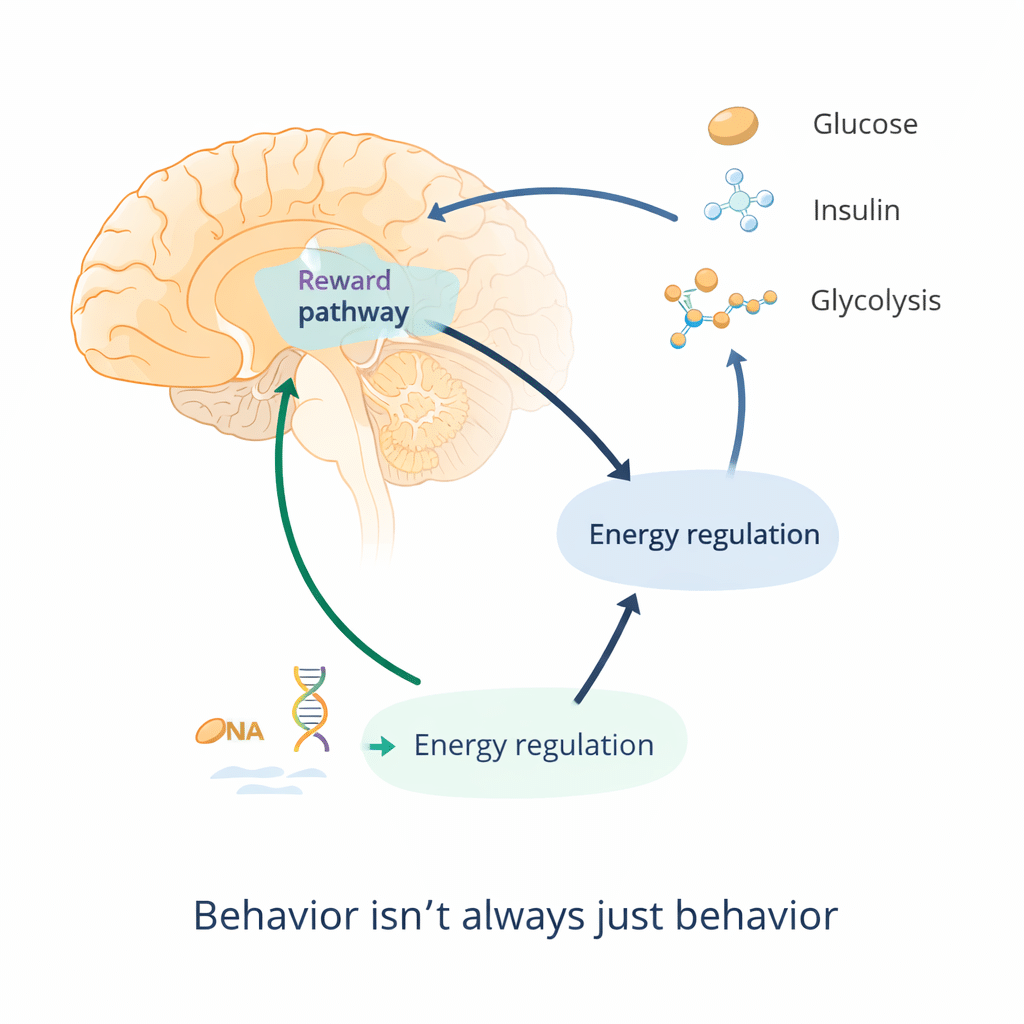
A Hypothesis: Could Metabolic Dysfunction Influence Addictive Behavior?

Substance use disorders in healthcare professionals are typically framed through behavioral, psychological, and social models. These frameworks are essential—and have led to meaningful progress in awareness, treatment, and support. However, an additional question may be worth exploring: Could underlying metabolic dysfunction influence reward-driven behavior? A Biological Layer Worth Considering Emerging research has begun to explore

A Hypothesis: Could Metabolic Dysfunction Influence Addictive Behavior? Read More »

Shopping Cart
Scroll to Top
0