Regulatory Compliance

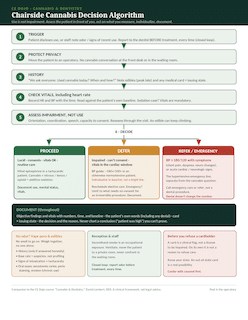
The cannabis patient is already in your chair. Does your office have a policy?

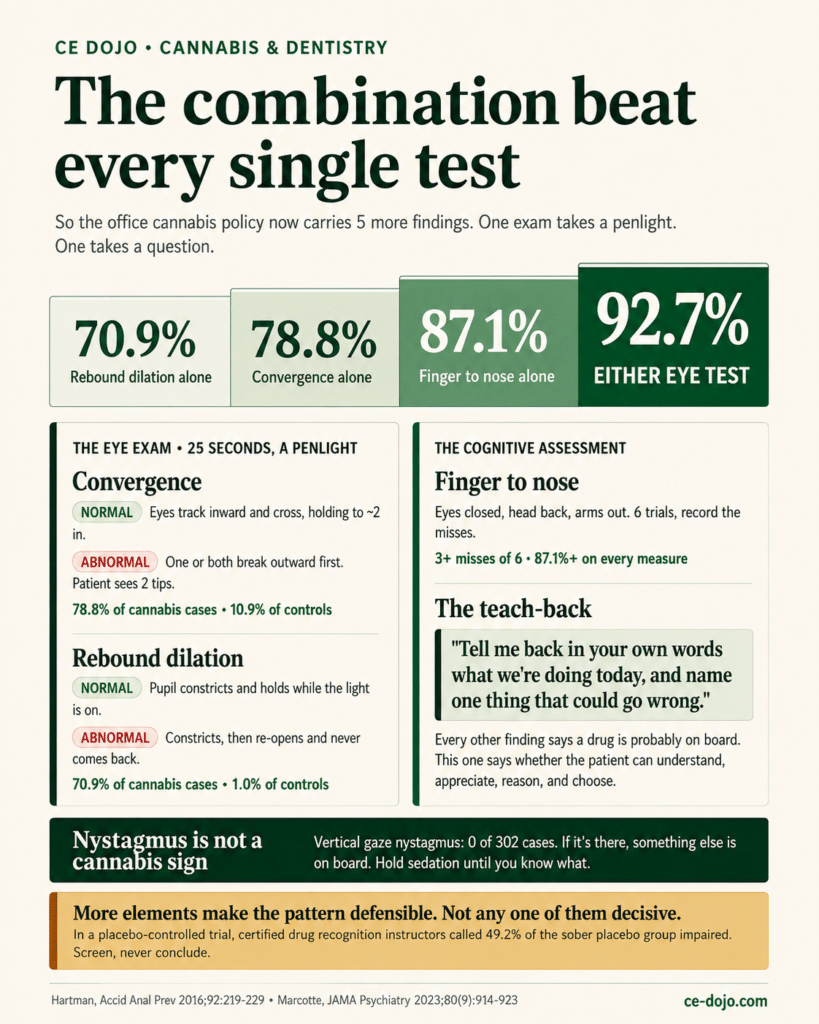
Update, August 2026. This policy has been revised since it was published. It now carries a 25-second eye exam and a cognitive assessment, 5 findings that were not in the original. The downloads on this page are the current versions. Here is what changed and why. By David MH Lambert, DDS Half of dentists say

The cannabis patient is already in your chair. Does your office have a policy? Read More »

A drug in a can: the pharmaceutics of the THC seltzer, and why it matters chairside

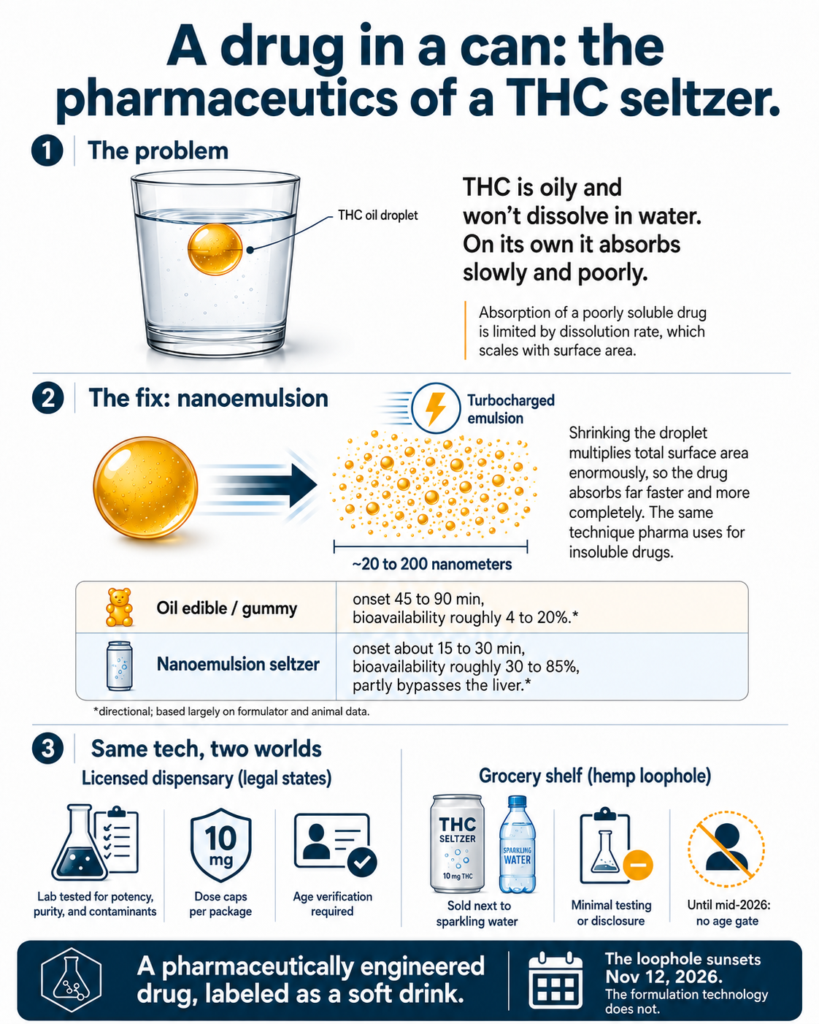
By David M. Haas Lambert Pick up one of the hemp THC seltzers now sitting in grocery coolers and you’re holding a pharmaceutical drug-delivery system in consumer packaging. I mean that as a formulation claim, not a rhetorical one. And once you see how it’s built, the chairside implications for a dental practice follow directly.

A drug in a can: the pharmaceutics of the THC seltzer, and why it matters chairside Read More »

The THC seltzer on the grocery shelf: what a clinician should know before it sunsets

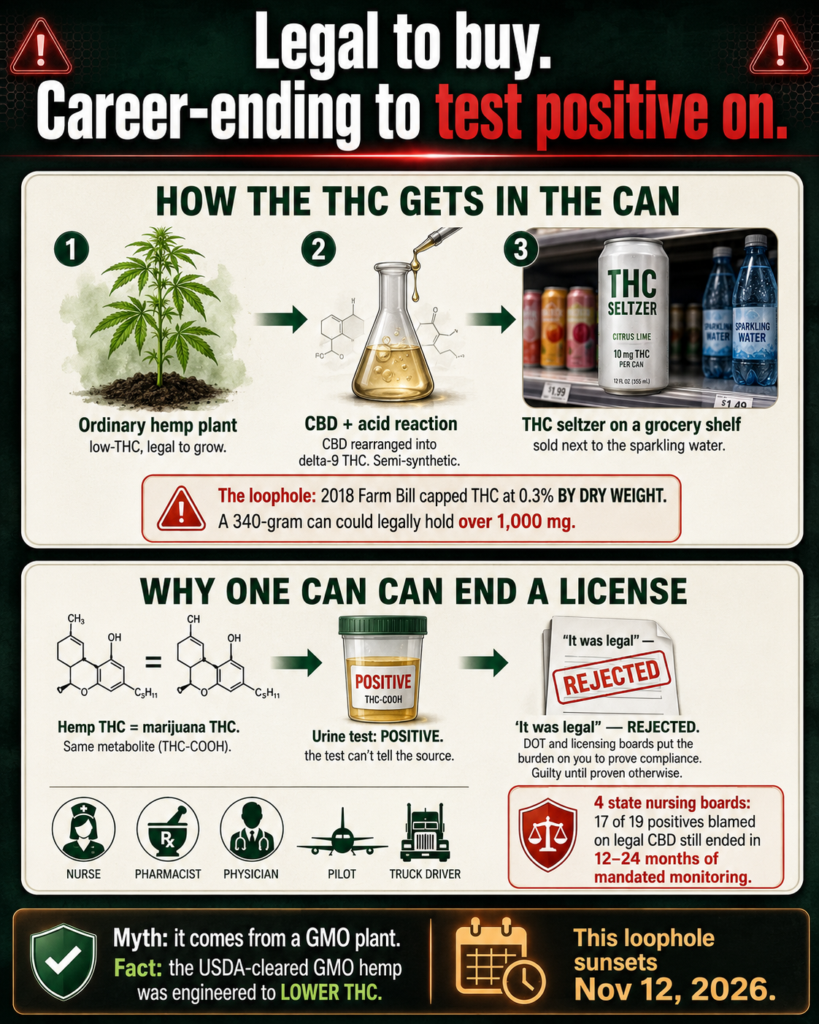
By David M. Haas Lambert There’s a drug on the grocery shelf right now, sold as a beverage, and it’s worth three minutes of a clinician’s attention before the rules change this November. Not because it’s exotic. Because the gap between how it’s marketed and what it actually is tells you something about how a

The THC seltzer on the grocery shelf: what a clinician should know before it sunsets Read More »

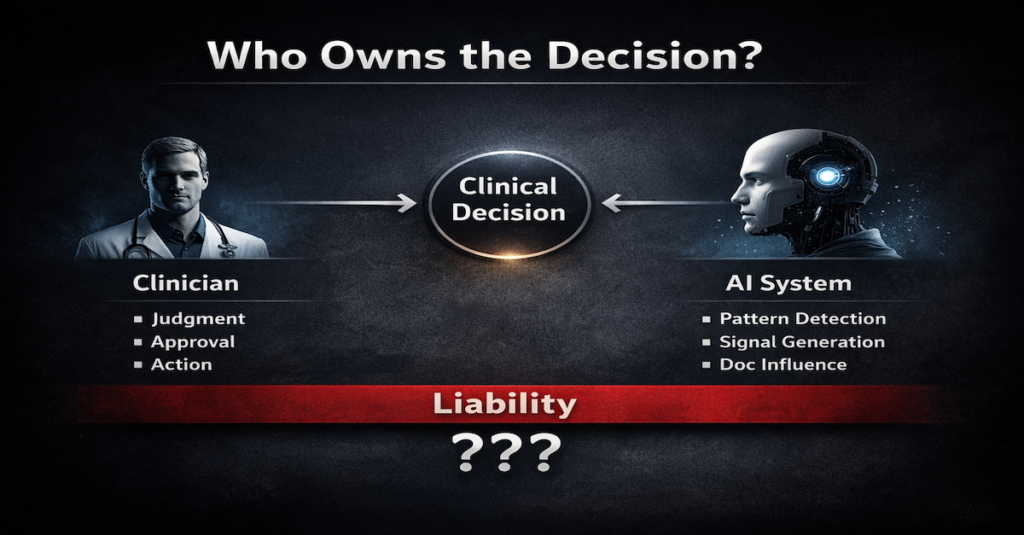
If AI influences your decision…who’s liable?

If AI Sets the Standard… Who Owns the Decision? Yesterday I introduced the idea of an AI-Adjusted Standard of Care. If that’s true, there’s a second question that follows: If AI raises the standard… who is actually responsible when something goes wrong? Because the reality is: AI does not make decisions in isolation. It: But

If AI influences your decision…who’s liable? Read More »

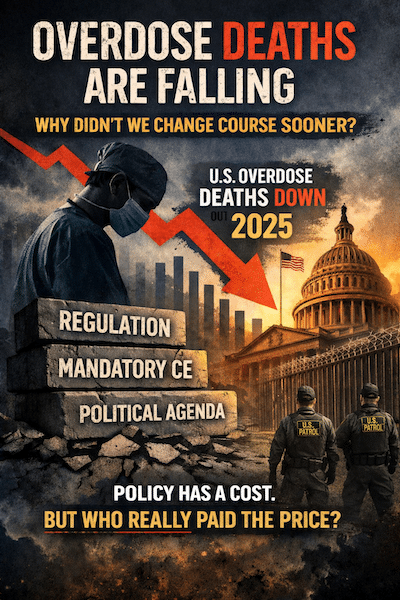
Overdose Deaths Are Falling. So Why Didn’t We Change Course Sooner?

Federal data show that U.S. overdose deaths declined through most of 2025—marking the longest sustained drop in more than twenty years. Roughly a 20% year-over-year reduction is not statistical noise. It is real movement. And it raises an uncomfortable question: If progress is possible now, why was it politically impossible before? Policy Is Not Neutral.

Overdose Deaths Are Falling. So Why Didn’t We Change Course Sooner? Read More »

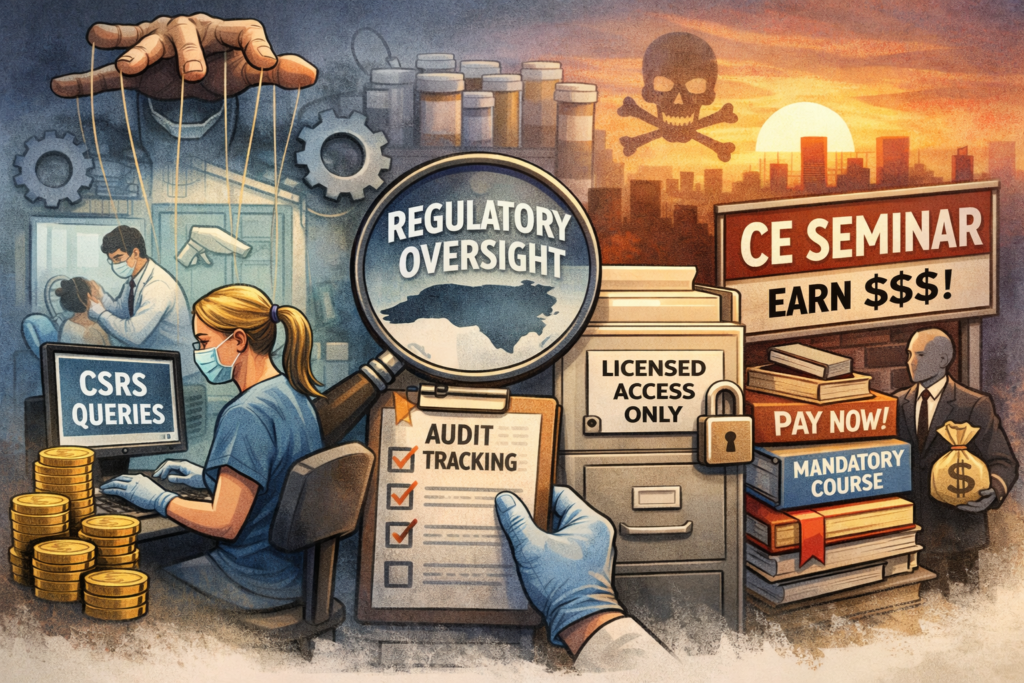
Why Our Practice Does Not Delegate CSRS (PDMP) Queries

Recent changes to North Carolina’s Controlled Substances Reporting System (CSRS) now permit licensed delegates, including registered dental hygienists, to run PDMP queries on behalf of a supervising prescriber. While this option may be appropriate in certain institutional or high-volume environments, our practice has made a deliberate decision not to delegate CSRS access. This decision reflects

Why Our Practice Does Not Delegate CSRS (PDMP) Queries Read More »

Dentistry Unplugged: The Drill Down 25:1 (05/08/2025)

In our debut podcast, Mysty Blagg Esq of Poyner Spruill, Sean Kurdys of Old Well Consulting, and Chris Roberts DDS of North Wilkesboro, NC join Dr David Lambert to discuss topics of current interest: We continue to monitor the progress of SB599. While it’s sponsors tout the objective of making the NC Dental Board less

Dentistry Unplugged: The Drill Down 25:1 (05/08/2025) Read More »

Hard Pass: ADA – Mayo Clinic’s “Well-Being Index” Assessment Tools Is A “No Go”

Organized dentistry continues to promote the idea of “wellness” so much so the American Dental Association has partnered – along with it’s state components – with the Mayo Clinic to make available to members it’s “Well Being Index” mental health awareness self assessment tool. The elective assessment is offered freely – and ostensibly “anonymously” –

Hard Pass: ADA – Mayo Clinic’s “Well-Being Index” Assessment Tools Is A “No Go” Read More »

Leaning Out: Moral Injury III

For our 3rd installment on moral injury, Dr Jenny Byrne MD PhD describes an encounter with a female medical student who weighed her vocational path against perceived work-life balances. The concept of “leaning out,” where individuals reduce professional engagement to balance personal priorities, is increasingly observed in healthcare worldwide. This trend aligns with millennial values

Leaning Out: Moral Injury III Read More »

Shopping Cart
Scroll to Top
0